

 Steel is easy to recover. Indeed, even if it is buried in a heap of waste, a simple magnetic sorting will be enough to bring it to light. This is possible because it has magnetic properties that allow it to be attracted like a magnet. Moreover, steel can be recycled indefinitely. This process notably makes it possible to save ore, energy and lime.
In recent years, steel production from scrap recycling has made up more than 40% of world steel production. Furthermore, these recycled steels are used in the foundry sector and account for more than 20% of the iron produced there.
A recyclable material
Steel is fully recyclable and this in no way alters its quality and properties. All of the components of steel are reintroduced into the recycling stream once they have been recovered from deconstruction sites.
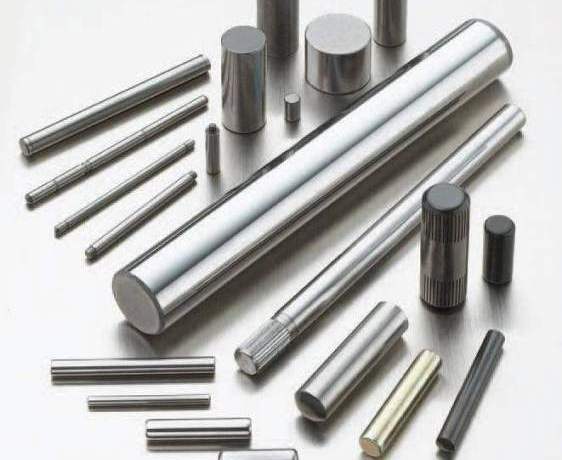
It is notably the percentage of material coming from end-of-life products that determines the recycling rate. Indeed, it will be reused as a secondary raw material in the manufacture of other products. Steel is a material that is easily recycled, but the recycling rate can vary from one product to another. For example, the recycling rate of steel reaches 65–70% for concrete reinforcement and rises to 98% for beams in construction. Each ton of steel produced thus represents one ton less to be produced for future generations.
Recycled steel represents more than 40% of the iron resource used in all global steelmaking processes. Indeed, several firms annually recycle large quantities of scrap that will then be used for other applications.
An eco-friendly material
Steel can be said to be environmentally friendly. Indeed, even when it comes into contact with water or air, it does not emit any compounds that are toxic to humans or the environment. This means that iron-based coatings are also environmentally friendly. The alloys that compose it and the process used to apply them to the sheet metal have a low environmental impact.
However, when they are subjected to high temperatures, some types of organic coatings may emit compounds that pollute the air, notably VOCs (volatile organic compounds). This represents a low risk, but one that should nevertheless be taken into account. Indeed, the products used for coating are pre-painted products from industrial coating lines.
Performance and durability
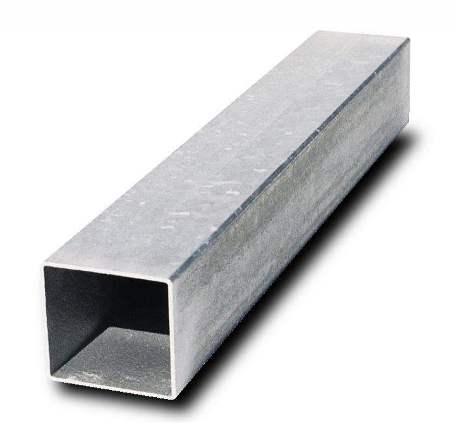
Steel is also used in building construction, notably indoors. Whether used visibly or not, its properties help limit the risks of corrosion.
For more exposed applications, however, corrosion may alter its properties. There are currently many solutions that improve the lifespan of iron so that it can be used in the long term.
Thus, we have gradually seen the emergence of several durable and strong materials such as stainless steel, which naturally resists corrosion, organic coatings, but also metallic coatings, such as galvanization.