

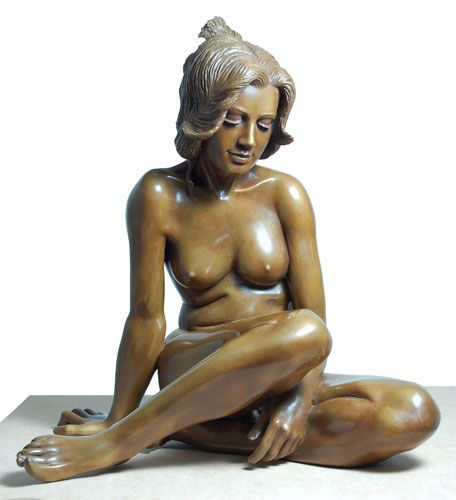
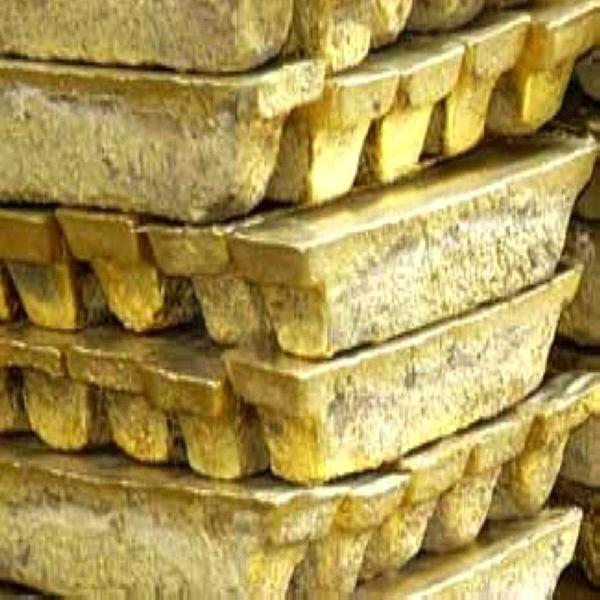
It should be recalled that bronze is not classified among the pure metals. Indeed, its composition mixes tin and copper and its hardness only increases according to its tin content. Besides these two main elements, bronze contains other alloys such as lead, aluminum, tungsten, manganese, phosphorus, beryllium, manganese and silicon.
Its pinkish color and its good wear resistance, combined with a good electrical conductivity, make it highly valued in the industrial sector and in the creation of ornamental objects.
The bronze casting process
It is known that bronze is mainly used in the manufacture of wax statues. Indeed, the famous bronze statues are obtained with the lost-wax casting method. This unique process is not difficult to do, however, it cannot be carried out by just anyone because it requires some knowledge of molding.
Creation of the mold
 The first step is to create the mold that will give the statue its initial shape. To do this, the model is covered with a layer of soft clay and Plaster of Paris.
The latter is useful insofar as it will make it easier to separate the plaster from the mold when the latter has hardened. The second step is to open the plaster jacket and reveal the layer of clay. This is where the task becomes difficult because certain knowledge and some experience are required in order to determine the necessary thickness of the clay covering.
The wax model
After the mold is made, the shaping of the wax model begins with the process of pouring boiling wax into the mold. Once cooled, the wax model is detached from the mold and is taken to the foundry.
Each part of the wax statue is carefully worked so that excess wax is removed and so that the statue is ready for the next step. The mold is then dipped into a vat, a reservoir that contains mud and sand.
The final touches
Once the model is dry, it is put back into the foundry with the other pieces at a temperature of over 1600 degrees Fahrenheit. The wax then melts down and separates the last layer from the sculpture, thereby revealing all its details.
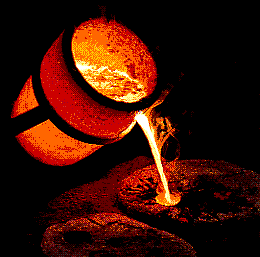
The shells are removed and placed in the vat with the sand. Once this whole process is completed, the bronze is poured into the mixture. Once the bronze has cooled, the sculpture can finally take shape.
The bronze is then polished and cleaned so that it can be joined with the other bronze parts. Once the assembly is finished, work begins on applying a layer of platinum over the entire sculpture with a small brush. The color is then applied and the statue is put back into the foundry so that the applied dye can hold.
What is its current price?
The price of bronze is quite variable and generally depends on the price of other alloys such as copper or tin but also on the proportion of metals it contains. You can expect to resell your bronze to a scrap dealer at around 4 to 6 euros per kilo.