
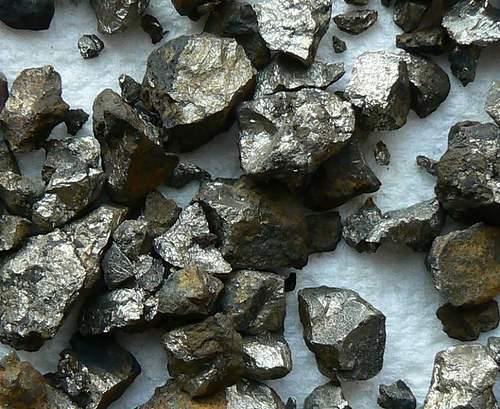
Iron is found in the form of ore when it occurs in nature. It is a metal in its pure state and can be corrosive when exposed to air. Rust then appears on its surface. This thin layer attacks the metal and degrades it over time. It should be noted that iron is used in various applications, notably in building and construction.
The different forms of iron
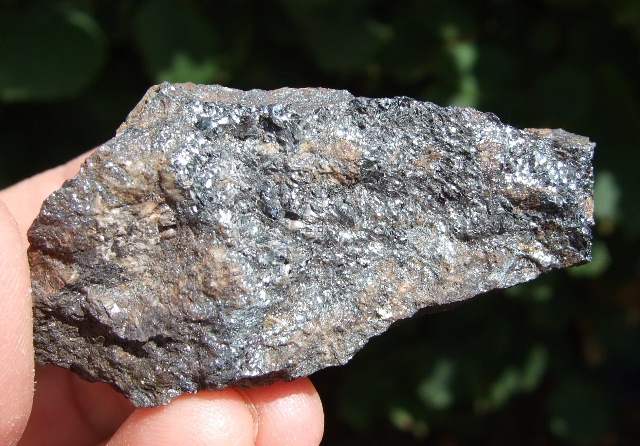
Some metals combine with other elements to form « solid solutions » or incorporate « impurities » into their crystal lattice. Indeed, carbon can easily be incorporated into iron’s crystal lattice, which ultimately produces cast iron or steel.
It should be noted that the physical properties of the metal can differ from those of the alloy. Steel is stronger and harder than pure iron; however, it is less ductile than the latter. Iron exhibits low resistance to water and oxygen, which is indeed a significant drawback. In fact, when rust appears on its surface, an iron object has its lifespan reduced.
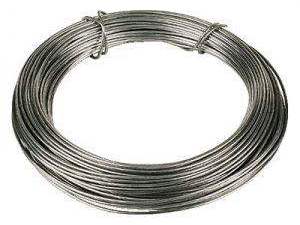
Finally, it is important to note that iron, in a natural environment, is present in the form of alloys or chemical compounds.
Native iron is a nickel-bearing iron of magmatic origin that is composed of 90% iron. It thus has the same composition as meteoritic iron and basaltic iron, in which a minute amount of nickel is found.
Iron is a trace element
Iron is present in the human body in mineral form and is part of hemoglobin (blood) and myoglobin (muscles). Furthermore, it is involved in enzymatic reactions that allow cells to respire. While it helps fuel bodily energy by producing adenosine triphosphate (ATP), iron is also involved in the regulation of cell growth and differentiation.
Indeed, it is present in many vital physiological processes. Its presence in the human body is on a small scale. There are about 4 g of iron in a man and 2.5 g in a woman, and it is generally absorbed in the small intestine.
Two types of iron are distinguished in the human body: heme iron (found in meats and fish), of which 10 to 30% is absorbed by the body, and non-heme iron (found in fruits and vegetables, cereals and dairy products), of which 1 to 5% is absorbed by the human body.
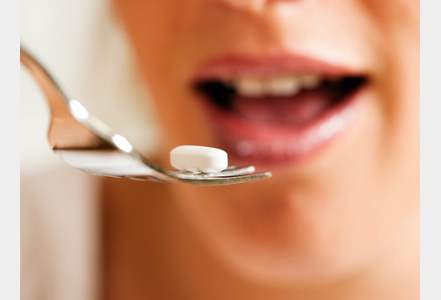
It should be noted that iron absorption depends on the substances contained in the meals we eat. While vitamin C stimulates iron absorption, coffee, tea and certain dietary fibers, on the other hand, hinder this absorption. Finally, it should be noted that iron requirements are very high in children and in women of childbearing age.
To boost its absorption, iron can be paired with vitamin C. However, caution is necessary, because iron overdose is harmful to health. It can generally cause various disorders and conditions such as cancer, the risk of hepatitis, or even Parkinson’s disease.