
Despite some setbacks, the zinc price curve finally seems to be recovering. The sudden negative correction in the zinc price does not exceed 0.34%. This non-ferrous metal has even experienced an increase, admittedly very small, but an increase nonetheless in value since June. Although minor, these signs show that the market is about to get back on track.
The sudden corrections in the zinc market should not worry you, since China has just announced the resumption of their imports. One should rather speak of an increase, because this country never stopped its zinc imports.
What are the uses of zinc ?

Zinc is the third most used metal in the world after iron and copper, if one excludes gold and silver from this ranking. This intensive use of zinc is explained by its very interesting properties.
Indeed, zinc has the particularity, like all metals, of conducting heat and electricity. But unlike ferrous metals, it does not rust and it is more resistant to corrosion.
It is therefore mainly used for galvanization. Galvanization is the process of dipping a metal object, generally made of iron, into a bath of zinc to prevent it from rusting.
It is also used for the manufacture of numerous alloys, such as brass (copper and zinc) or bronze (copper, tin and zinc) which will be used in various applications in construction or in pneumatic uses (in automotive equipment)
Where does supply stand compared to demand ?
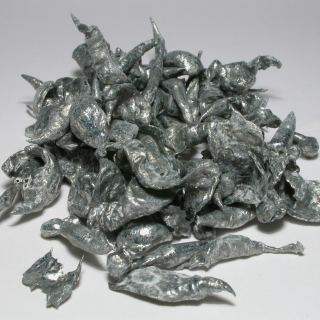
The zinc price is inseparable from the current state of supply and demand. It should be recalled that zinc is the third non-ferrous metal produced in the world.
Although zinc is among the leaders of non-ferrous metals in terms of global production, it is not the most demanded. Deposits produce nearly 13 million of zinc each year (about 412 kilos per second), half of which is intended to supply Chinese and Indian steel companies.
It should also be noted that China is both the largest producer and the largest consumer of zinc. It currently accounts for a third of world production and its demand represents 42% of global zinc consumption.
The rest is stored in the warehouses of the ferrous metals exchange. One can conclude that supply still manages to meet demand, but for how long ? No one could answer that without a more in-depth market analysis.
A market dependent on Chinese demand ?
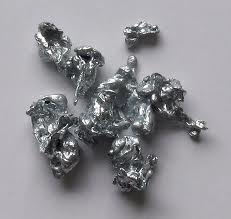
Yes, the zinc market depends on demand coming from China. By dominating a market, given that it is both the largest producer and also the largest user, this country also controls its price. Be aware that a tonne of zinc is currently trading at more than 2,700 dollars (about 2,400 euros).
The ceiling that once rose to more than 4,500 dollars (more than 3,500 euros in 2007) will only be reached in the coming months, if one believes analysts’ forecasts. However, investors do not lose confidence regarding the upcoming surge in the price.
What about physical trading ?
Quoted in dollars, zinc is traded exclusively on the LME. Each year, more than 12 million futures contracts are offered to investors. You can also benefit from the 1.5 million options offered. Currently, the futures are based on 25 tonnes. The zinc market is therefore promising, so be sure to take advantage of it now.
The price is stagnating but the rise should not be too long in coming. Be aware that the zinc stock present in LME warehouses is still intact (100 000 tonnes). This stock will amply cover next year’s demand, but only for next year. Supply is decreasing, following the announcement of the permanent closure of certain mines.
Zinc is one of the non-ferrous metals still available in large quantities on the market. This surplus of zinc is perceived as a factor driving the price down by some; and a factor favoring a probable rise by others. But know that despite a rebound in the price at the end of 2012, this price continues to decline. Indeed, investors and industrialists prefer to invest in other metals cheaper than zinc.
!function(e,i,n,s){var t=”InfogramEmbeds”,d=e.getElementsByTagName(“script”)[0];if(window[t]&&window[t].initialized)window[t].process&&window[t].process();else if(!e.getElementById(n)){var o=e.createElement(“script”);o.async=1,o.id=n,o.src=”https://e.infogram.com/js/dist/embed-loader-min.js”,d.parentNode.insertBefore(o,d)}}(document,0,”infogram-async”);