
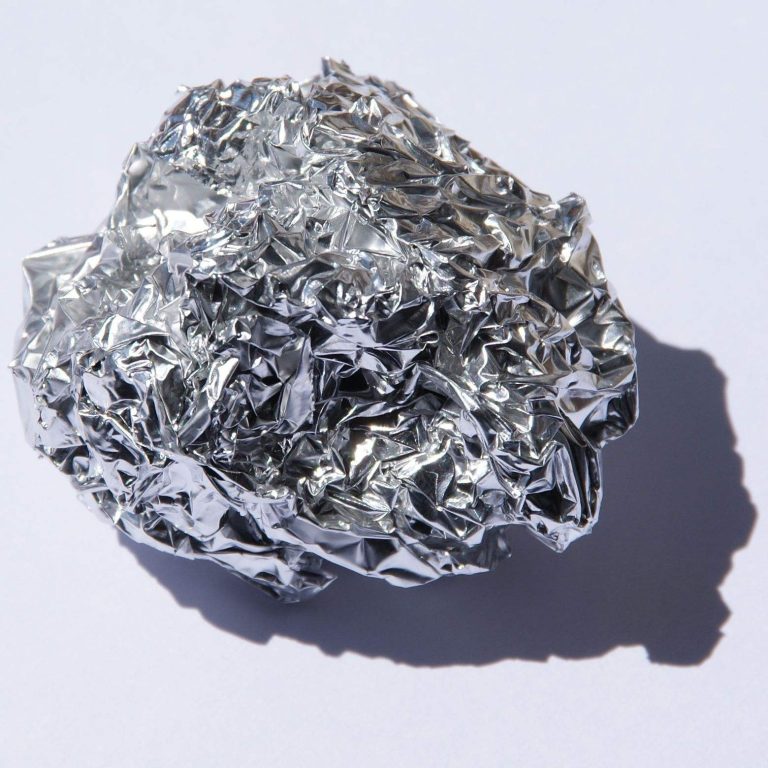
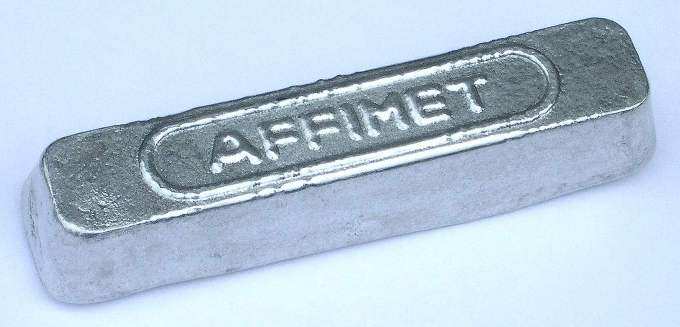
Known for its grayish color, aluminum has unique properties that make it used in many fields across the world. Indeed, it exhibits very good malleability, which makes its processing easy.
Furthermore, the material is very light compared to other metals, which means it is used in the construction of several types of means of transport. Finally, it shows good resistance to oxidation. Indeed, a thin layer of aluminum oxide forms on its surface and protects it when it is exposed to air. So what are the main advantages of this metal?
There are various uses and applications of the alloy in different fields and different applications. Whether in the economic or technical sector, aluminum holds an important place.
A lightweight material

First of all, aluminum stands as an alloy that has a low density. This is notably the reason why it is placed in the category of light alloys along with lithium and magnesium.
Indeed, aluminum is 3,3 times lighter than copper and 2,9 times lighter than iron. In addition, it weighs 3 times less than common industrial metals. It is notably this property that makes it highly prized in the aeronautics sector, but also in transport.
A good conductor of electricity
Aluminum is a good conductor of electricity and heat. It has an electrical resistance of more than 2,74 10-8 W.m which it transforms into energy (63 % more compared to the copper standard IACS).
However, aluminum alloys display a lower conductivity compared to pure aluminum (varies between 30 % à 50 % IACS). Compared to copper, aluminum then presents an electrical conductivity 2 times higher, which leads to its use in the transmission of high-voltage electricity over long distances.
It is not magnetic
Aluminum displays a relative magnetic permeability of 1,004 which is noticeably much lower compared to other steels.
This quality combined with the fact that it is a good electrical conductor allows it to be highly prized for cable shielding, the manufacture of measuring devices, but also in electronic circuits.
It resists corrosion

On contact with air, aluminum protects itself with a thin layer of aluminum oxide. This layer then covers its entire surface and protects it against corrosion.
Furthermore, it is possible to improve this protection by choosing anodic oxidation treatments, also known as the anodizing technique.
It is a robust metal
Pure aluminum displays rather weak characteristics like the majority of pure metals. However, among the wide range of aluminum offered on the market one can find various products of different qualities that are adapted to different types of use.
Note that the most resistant alloys generally display a breaking load greater than 700 MPa, which is equivalent to the characteristics of quenched steels.
In short, aluminum has several significant advantages, which makes it perfect for the various applications of any field: transports, electronics, transports, buildings and many others. Moreover, this is why it is counted among the materials most prized by the industrial sector and construction.