
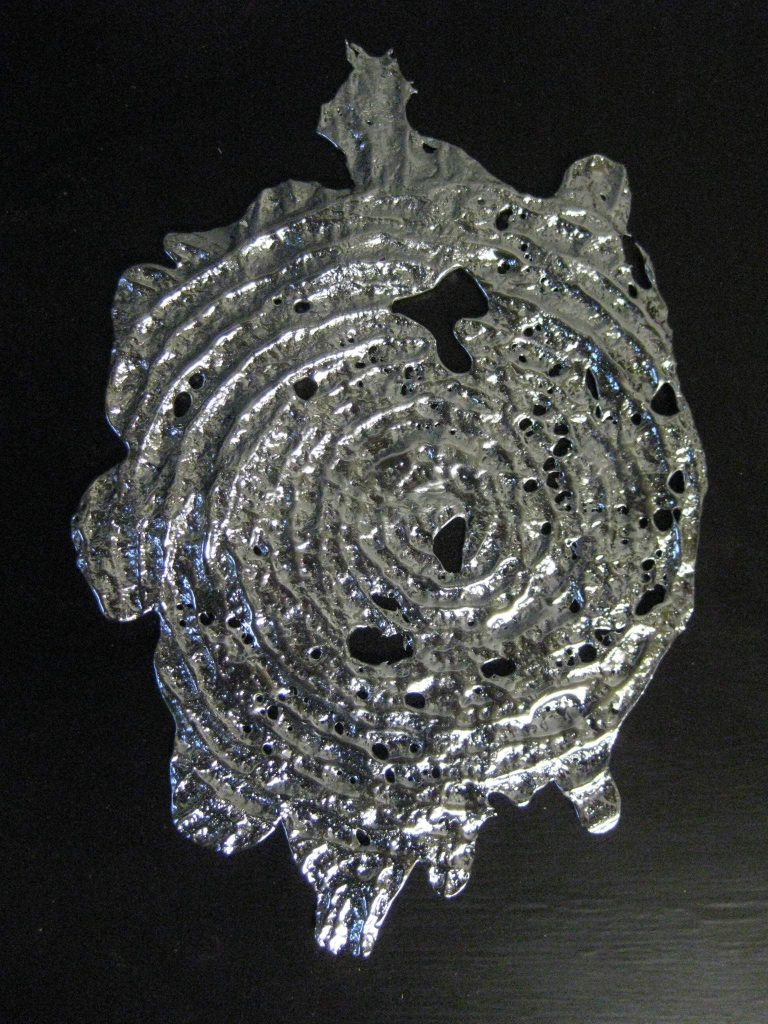
Belonging to the crystallogen family, lead is an alloy that is found in the crust and in the atmosphere in general. It is very toxic, which implies that it must be used with gloves. It should be noted that Canada, the United States and Australia are the three largest lead producers in the world.
The price of lead and the factors behind its fluctuations
Lead is generally offered at scrap dealers and it is listed on the metals exchange. It is therefore no surprise to say that lead is among the most expensive common metals, like copper, aluminum or cast iron. Its price varies from one scrap dealer to another, but in general, it is offered at 1 euro/kg.
The selling price of lead has also increased. Statistics predict an increase in prices from $400 to $3,665 per tonne over the last decade. It should be noted that this rise is attributable to the closure of several large plants and refineries, but also to China’s increased demand for battery manufacturing.
The lead price

The lead price largely depends on the price of other metals. Indeed, ores generally contain less than 10 % lead. It is only after concentration or by crushing by froth or flotation that more than 70 % is found. Roasted sulfide yields a lead oxide, a combination of silicates and sulfates, but also other metals contained in the ore.
The lead oxide resulting from the sulfide is then put back into a coke furnace so that the pure metal can be extracted. Furthermore, it is possible to treat wastes that contain bismuth, zinc, copper and cadmium.
The Betts process consists of melting the lead dabs in an electrolyte in order to obtain good quality lead. Furthermore, it should be noted that this process uses pure lead cathodes and impure lead anodes in a silica fluoride electrolyte.
Use of lead
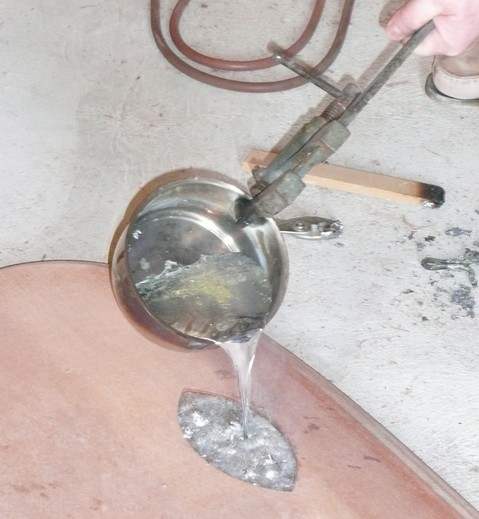
Lead is found in various application areas, notably in soldering; in the manufacture of lead-acid batteries and firearm cartridges; in building construction and as a shield against radiation. Its high resistance to corrosion and high density make it used for many applications, notably the creation of ballast keels for sailing boats.
Indeed, its density helps counteract the heeling effect of the sails. Moreover, since it displays great resistance to corrosion, lead is suitable for outdoor uses, as well as for underwater constructions or those that come into contact with water.
Even though the price of lead is relatively low, demand remains very high across all sectors. Finally, it should be recalled that the substance is very harmful to the body, which implies that a certain vigilance is needed when using it.