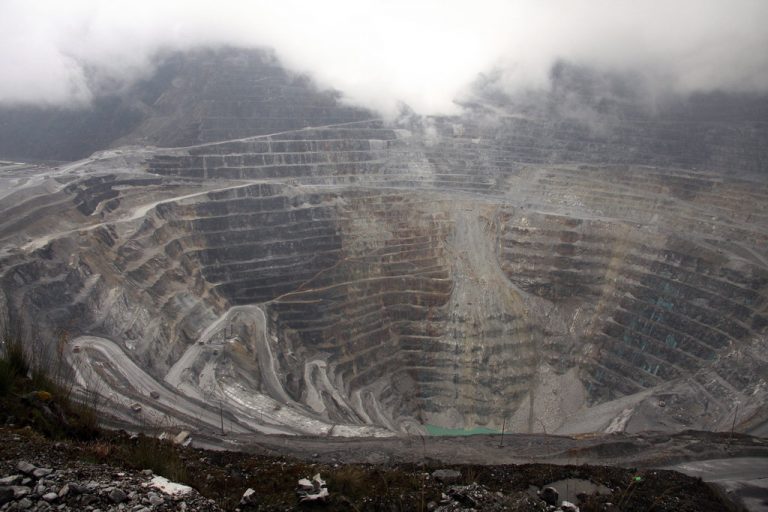
King of metals, copper is omnipresent. It is found almost everywhere in our home, in our cars, in electrical cables to supply current, and sometimes even on our clothes. Nickel, for its part, comes from stainless steel and superalloys. These two industrial metals abound on Indonesian lands and arouse strong appetites.
The mining battle continues
Although miners have resumed their activity, the mining battle is far from over. In Indonesia, it is not only the copper mines that interest the investors, but also those of nickel.
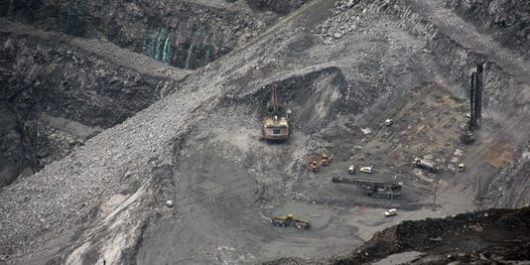
In the northwest of New Caledonia, the local government and the American company Freeport-McMoran are disputing the Grasberg mine, a huge copper deposit. In order to benefit from its natural resources, Jakarta wishes to take back the reins and control Freeport’s Indonesian subsidiary.
Let us recall that the American mining company operates the world’s largest gold reserve as well as the third-largest copper reserve following an agreement signed in 1991 that spans about thirty years.
New regulations on Indonesian mines
Freeport and the Indonesian State have long discussed at the negotiating table where the American giant ended up ceding 10.6% of its local subsidiary last year. It should still dispose of the same percentage before 2019, but Jakarta changed the rules at the beginning of 2017.
To be able to continue exporting its ores, Freeport should retain only 49% of the local subsidiary. Considering that this new regulation infringes on its rights, the firm threatens to take the case to an arbitration tribunal if the two parties find no way out of the conflict. In the meantime, the Indonesian subsidiary has considerably reduced its production.
According to the latest news, the North American mining company and the Indonesian government seem to have found common ground.An agreement that will allow the world’s leading producer to resume its exports of concentrates. It has also committed to establish processing units in the country.
For now, they are in full negotiation and the Indonesian State still claims 51% of the giant Grasberg mine. A strategy that it also applies to the nickel mines in Indonesia.
Impacts of the Indonesian conflict on the copper market
Recent cessations of activity paralyzed the largest copper mine in the world at Escondida in Chile, run by the Anglo-Australian group BHP Billition. The same is true for the Peruvian mine of CerroVerde. These conflicts have led copper prices to rise on the London Metal Exchange.
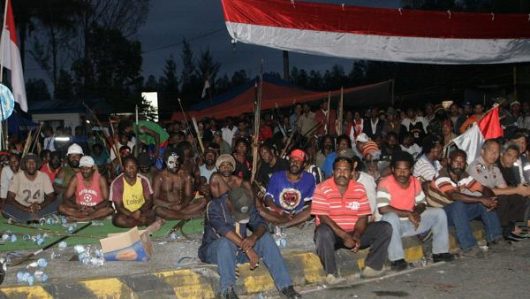
Observers in the world of financial markets believe that the Indonesian situation will calm down and that the strikes will eventually stop. Deliveries can then resume. While the London Metal Exchange anticipated a return to normal and an increase in global supply, nickel prices fell. However, it follows in copper’s wake, as its use is complementary in industry.
In New Caledonia, the production of gray metal is ensured by the SLN and KNS. However, Indonesia is skeptical, because the national producer Antam obtained authorization to export 2.7 million tonnes of nickel ore for the next 12 months to come. This implies an increase in supply.