
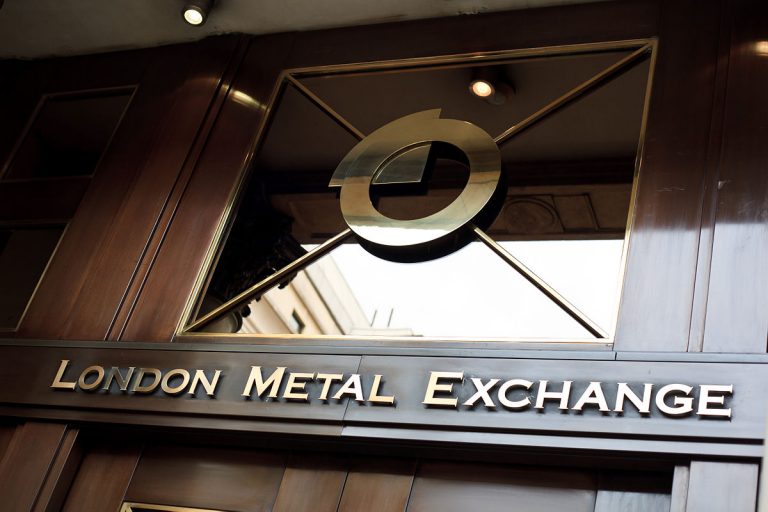
These past few days have been marked by the rise in industrial metal prices at the London Metal Exchange (LME). The factors behind this increase differ depending on the metal concerned. All the details.
Nickel shines
The price of nickel rose from 11 380 to 12 595 dollars per tonne, before reaching 13 030 dollars on Wednesday, 1st November. That figure corresponds to its highest peak since June 2015, but also to the largest increase compared with other industrial metals.
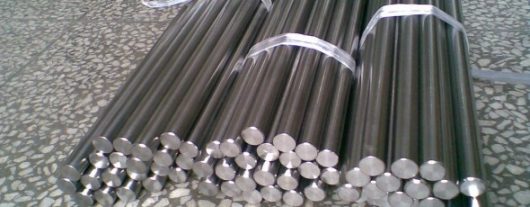
Analysts at UniCrédit confirm: “the tone was positive across metals, but nickel stole the spotlight from the others because of its use in electric battery design”, they said on the subject, before adding: “this price rise may have outpaced actual demand, because refined nickel stocks are very high right now”.
Zinc climbs too
Zinc is also up: the price went from 3 145,50 to 3 223,50 dollars per tonne, then its price reached its highest peak since August 2007 at 3 326 dollars per tonne.
According to explanations provided by analysts at Natixis, “production cuts by Glencore in 2015 continue to boost market optimism. Supply is in a marked deficit, and the zinc rebound seems justified by the fundamentals”. As a reminder, Glencore had cut its annual zinc production by 500,000 tonnes.
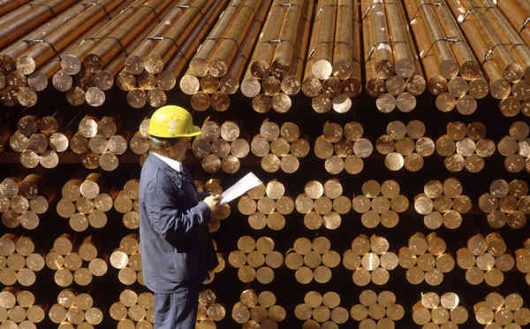
The price increase is also explained by a 7.1% drop in activity at Chinese mines, even though these account for 31% of global zinc mine production.
Other metals also benefit

While nickel and zinc particularly shone, other industrial metals were not left behind. A tonne of copper climbed to 6 915 dollars from 6 825,50 dollars. The price of aluminium rose from 2 141,50 to 2 184 dollars per tonne. As for lead, its price went up to 2 473,50 dollars per tonne, from 2 446,50 dollars.
Should you invest or not?
While this rise in industrial metal prices appears to be an opportunity for investors to seize, analysts still warn, cautioning that “it’s not yet time to pop the champagne.”
For analysts at Barclays, “the market is in better shape than last year, but you have to look beyond the headlines”. They also believe that “the Chinese property market, which alone represents one third of global copper demand, is beginning to slow”.
UniCrédit analysts nevertheless argue that, on the contrary, prices could be supported by investors even if demand were to decline. To be continued.