
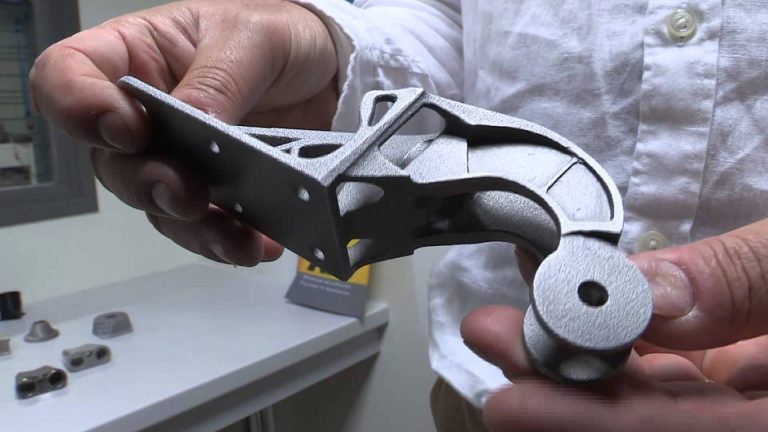
A true technological innovation, the 3D printer makes it possible to produce three-dimensional prints from solid materials such as plastic. In recent years, there have also been printers capable of producing 3D objects with wood or even metal. As for the latter, the study 3D Printing of Metals 2015-2025 reveals that metal 3D printing is mainly used in the medical and aerospace sectors. The machine is now available in several models whose operation varies depending on the type of metal used. Details.
Each type of metal has its own printer
Very popular since 2015, metal 3D printers are now available in several models that are dedicated exclusively to printing particular metals.
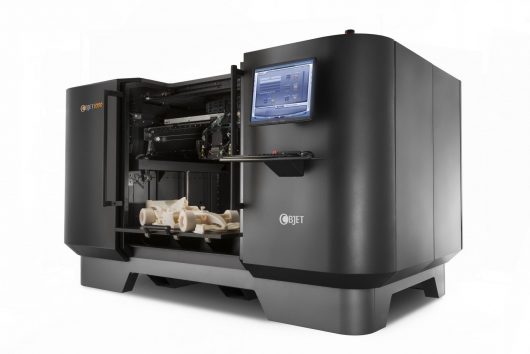
They differ from one another by a specific mode of operation. Thus, four main families of 3D printers can be distinguished:
- those that use SLM technology,
- those that use DMLS technology,
- those that use binder jetting as a technique,
- and finally those that use lost-wax casting.
Printing by SLM
Printers using SLM technology for Selective Laser Melting (selective laser melting in French) use metal powder particles melted completely to produce prints. Note that to reach the required temperatures, they also need to use an inert gas. This can be argon or nitrogen.

The very first metal SLM 3D printers appeared in 1995. They were then developed by l’Institut Fraunhoffer. This institute has just presented its very latest model: a “low-cost” printer aimed at small businesses. Like earlier versions, the machine is very fast during the manufacturing phase. However, the waiting time for the printed object to cool down remains quite long.
Printing by DMLS
DMLS technology for Direct Metal Laser Sintering (direct metal laser sintering in French) consists of combining fine metal powders by bonding them to one another. The metals used are stainless aluminum and titanium, which are characterized by much higher melting points compared to other metals.
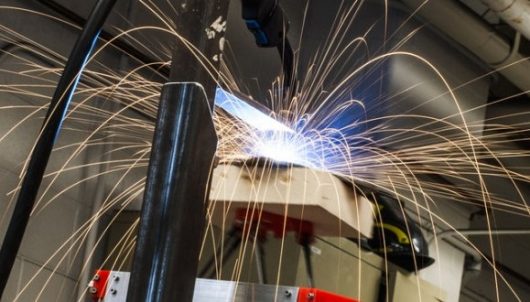
Printers that use this manufacturing method are mainly used to produce prototypes or small quantities of parts. This is because the technology performs work that is both fast and precise. The models are mainly used in the aeronautics, aerospace and automotive sectors. They are also used in the medical sector for the manufacture of prostheses and implants.
Printing by binder jetting
In the case of this manufacturing method, the printer uses a powder base onto which a binding agent is deposited. The combination of the two is done layer by layer, as with any 3D printing. The object is then fired before being cleaned with brushes and air blowers. To finalize the print, steel is added by infiltration into the product to reinforce it. Note that this last component makes up a large part of the final result.

This technology proves to be the fastest and most economical among the four main families of metal printing. Highly precise, printers using this method are mainly used to manufacture prototypes or decorative objects. They are also used in jewelry, because the technology offers the possibility of “plating” the result with gold or silver.
Printing by lost-wax casting
Here, the technique consists of printing multiple objects based on an original model. The printers therefore only create a replica of a single object, to then produce dozens, even hundreds, or thousands of nearly identical items.

To do this, another printer first fabricates the original piece in wax; it is then molded in plaster. Once the latter is finally dry, the metal 3D printer simply injects liquid metal which will replace the wax. This type of printing is mainly used with gold and brass. Professionals often use it for the mass production of sharp-pointed objects, especially jewelry.